Why Stainless Steel is the Go-To Choice for Modern Distributors
The Rise of Stainless Steel in Modern Distribution
Understanding Stainless Steel
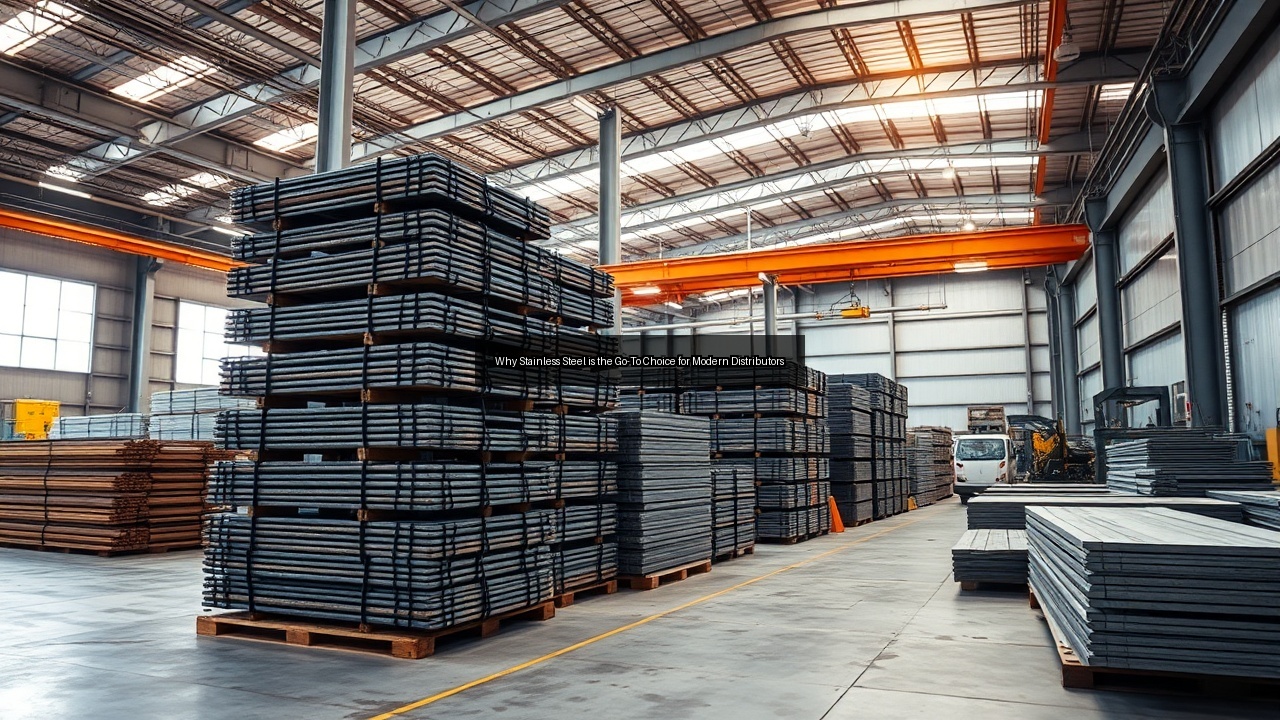
Stainless steel stands out as an alloy that combines iron with chromium and other elements to resist corrosion. A steel distributor handles this material by stocking grades that suit everything from construction to manufacturing. Distributors emphasize its durability because it maintains strength under extreme temperatures and chemical exposure. Customers rely on steel distributors for consistent supply of sheets, bars, and coils that meet exact specifications. This metal resists rust without extra coatings, which simplifies inventory management for any distributor of steel. Steel metal distributor operations focus on educating buyers about chromium content levels that determine performance in specific environments. High demand drives steel distributors to maintain large warehouses filled with various finishes and thicknesses.
Key Benefits of Stainless Steel for Distributors
Distributors gain multiple advantages when they prioritize stainless steel. It offers long shelf life that reduces waste and returns from customers. Pricing remains stable compared to fluctuating alternatives because production scales efficiently worldwide. A steel distributor benefits from repeat orders as industries recognize its low maintenance needs. Tool steel and high speed steel variants built on stainless bases deliver superior edge retention for cutting applications. Metals like this support quick turnaround times since fabricators require fewer secondary processes. Steel distributors report higher margins on stainless grades due to value-added services such as custom cutting and polishing. Reliability attracts long-term contracts with manufacturers who need predictable material performance.
Stainless Steel vs. Other Metals
Stainless steel outperforms carbon steel and aluminum in corrosive settings without needing frequent replacement. A distributor of steel often contrasts it with galvanized options that eventually lose protective zinc layers. Hot rolled metals may cost less upfront, yet they demand extra finishing steps that raise total project expenses. Customers choose stainless steel when they need hygiene standards met in food processing or medical equipment. Steel distributors stock both options but guide buyers toward stainless for outdoor or marine exposure. High speed steel tools made from stainless alloys stay sharper longer than those from standard tool steels. This comparison helps metal distributors position stainless steel as the premium yet economical long-term solution.
The Role of Steel Distributors in the Market
How Distributors Source Stainless Steel
Steel distributors build relationships with mills across continents to secure reliable stainless steel volumes. They monitor global production quotas and adjust orders based on regional availability of raw chromium. A steel metal distributor inspects incoming shipments for consistent alloy composition before releasing material to customers. Sourcing also involves negotiating contracts that lock in favorable pricing during market swings. Distributors of steel maintain certifications that verify ethical mining practices for nickel and other additions. This careful approach ensures the supply chain remains uninterrupted even when demand spikes from automotive or aerospace sectors. Many steel distributors now use digital platforms to track orders in real time.
Impact of Pricing on Distribution
Pricing directly shapes how a steel distributor manages inventory and customer contracts. Stainless steel prices respond to energy costs and alloy surcharges that mills pass along. Distributors absorb short-term volatility to keep steady supply for regular buyers. Steel distributors often offer tiered pricing that rewards bulk purchases of tool steel or high speed steel grades. Transparent pricing models build trust because customers see how market changes affect final costs. Metal distributors track futures markets closely to advise clients on optimal purchase timing. Stable pricing for stainless steel encourages larger stocking commitments that benefit both the distributor and end users.
Trends in Steel Distribution
Steel distribution evolves with digital ordering systems that let customers view live stock levels of stainless steel. Distributors expand service offerings to include just-in-time delivery for vehicle assembly lines and pump manufacturers. Hot rolled and cold finished products now arrive with traceability data embedded in barcodes. Steel distributors adopt electric arc furnace materials that lower carbon footprints while maintaining quality. Demand grows for specialized tool steels designed for high-speed machining operations. Metal distributors also invest in automated warehouses that reduce handling time and errors. These trends position forward-thinking steel distributors as essential partners rather than simple suppliers.
Versatility of Stainless Steel in Various Applications
Stainless Steel in Tool Steels and High-Speed Steel
Tool steels benefit from stainless bases that resist wear during prolonged use in molds and dies. High speed steel grades incorporate stainless elements to maintain hardness at elevated cutting temperatures. A steel distributor supplies these alloys to machine shops that produce drills, taps, and end mills. Customers value the corrosion resistance that extends tool life in humid workshops. Distributors of steel often provide technical data sheets that detail heat treatment procedures for optimal performance. Stainless additions reduce oxidation during forging, which improves yield rates for manufacturers. This versatility makes stainless steel the foundation for advanced tool steel and high speed steel products that dominate modern machining.
Applications in Vehicles and Pumps
Vehicle manufacturers specify stainless steel for exhaust systems and structural brackets that face road salts and moisture. Pump producers select it for impellers and casings that handle aggressive fluids without degradation. A steel distributor delivers precisely cut components that fit directly into assembly lines. Hot rolled stainless plates serve as base material for heavy-duty vehicle frames. Metal distributors coordinate with fabricators to ensure pump housings meet pressure ratings. Stainless steel reduces warranty claims because it outlasts galvanized alternatives in these demanding environments. Steel distributors support these sectors with consistent quality that meets automotive and industrial standards.
Galvanized Steel vs. Stainless Steel
Galvanized steel receives a zinc coating that protects against rust yet fails once the layer wears away. Stainless steel provides inherent corrosion resistance through its alloy structure, eliminating recoating needs. A steel distributor explains this difference when customers compare initial costs for outdoor structures. Galvanized options suit short-term projects, while stainless steel justifies higher pricing for permanent installations. Distributors of steel carry both metals to match varied budgets and lifespans. Pump and vehicle applications favor stainless because it avoids zinc contamination risks. This clear distinction helps steel distributors recommend the right material for each project requirement.
Customer Preferences and Market Demands
How Customers Choose Steel Distributors
Customers evaluate steel distributors based on delivery speed and breadth of stainless steel inventory. They seek partners who stock multiple grades of tool steel alongside standard sheets. Online catalogs and responsive sales teams influence decisions when urgent orders arise. A steel metal distributor that offers technical support gains preference over competitors with limited expertise. Buyers also examine past performance on quality consistency and accurate order fulfillment. Steel distributors that provide mill test reports build confidence in material traceability. These factors determine which distributor of steel secures ongoing business from manufacturers and fabricators.
The Importance of Quality and Reliability
Quality drives customer loyalty because defective stainless steel halts production lines. Steel distributors implement rigorous inspection protocols before material reaches the customer. Reliable supply prevents costly delays in vehicle or pump assembly schedules. Distributors of steel maintain ISO certifications that verify consistent processes across locations. High speed steel and tool steel require precise chemistry to perform correctly, so traceability matters. Customers return to steel distributors who stand behind their products with clear warranties. This emphasis on reliability separates leading metal distributors from those focused only on volume sales.
Understanding Customer Needs in Metal Distribution
Metal distributors succeed when they anticipate needs such as custom lengths or specific surface finishes for stainless steel. They listen to feedback about pricing transparency and lead times for hot rolled products. Customers in pump manufacturing require corrosion data that confirms suitability for particular chemicals. Steel distributors train staff to match grades to applications ranging from food equipment to heavy vehicles. Understanding seasonal demand patterns allows better inventory planning for tool steels. This proactive approach strengthens relationships and positions the distributor of steel as a strategic resource rather than a transactional supplier.
Future Trends in Stainless Steel Distribution
Innovations in Stainless Steel Production
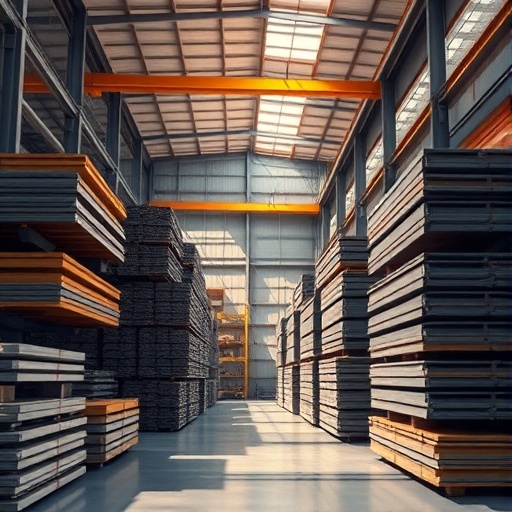
New production methods refine stainless steel with reduced energy input while preserving mechanical properties. Steel distributors adopt these advances by offering alloys with improved machinability for high speed steel tools. Additive manufacturing now incorporates stainless powders that create complex pump components on demand. Distributors of steel invest in laser cutting equipment that processes these innovative grades efficiently. Customers benefit from tighter tolerances that reduce downstream machining. Steel metal distributor networks share best practices on handling next-generation alloys. These innovations expand applications and strengthen the role of stainless steel across industries.
The Growing Demand for Sustainability
Sustainability pushes steel distributors to source stainless steel produced with higher recycled content. Mills now publish environmental product declarations that customers review before placing orders. Distributors of steel promote stainless grades because they last longer and lower overall resource consumption. Hot rolled stainless with optimized chemistry reduces scrap during fabrication. Vehicle and pump makers prefer materials that support circular economy goals. Metal distributors track carbon metrics to meet corporate sustainability targets set by large buyers. Stainless steel aligns naturally with these demands due to its recyclability and durability.
Predictions for the Steel Distribution Industry
Steel distribution will emphasize digital integration that lets customers order stainless steel with full supply chain visibility. Distributors expect continued growth in demand for specialized tool steels used in electric vehicle production. Pricing models may incorporate real-time data feeds that reflect alloy market movements instantly. Steel distributors who invest in automation will handle higher volumes with fewer errors. Sustainability certifications will become standard requirements for winning contracts. The industry predicts stronger partnerships between metal distributors and end users focused on pump efficiency and vehicle lightweighting. Stainless steel remains central to these developments because of its unmatched combination of strength and longevity.