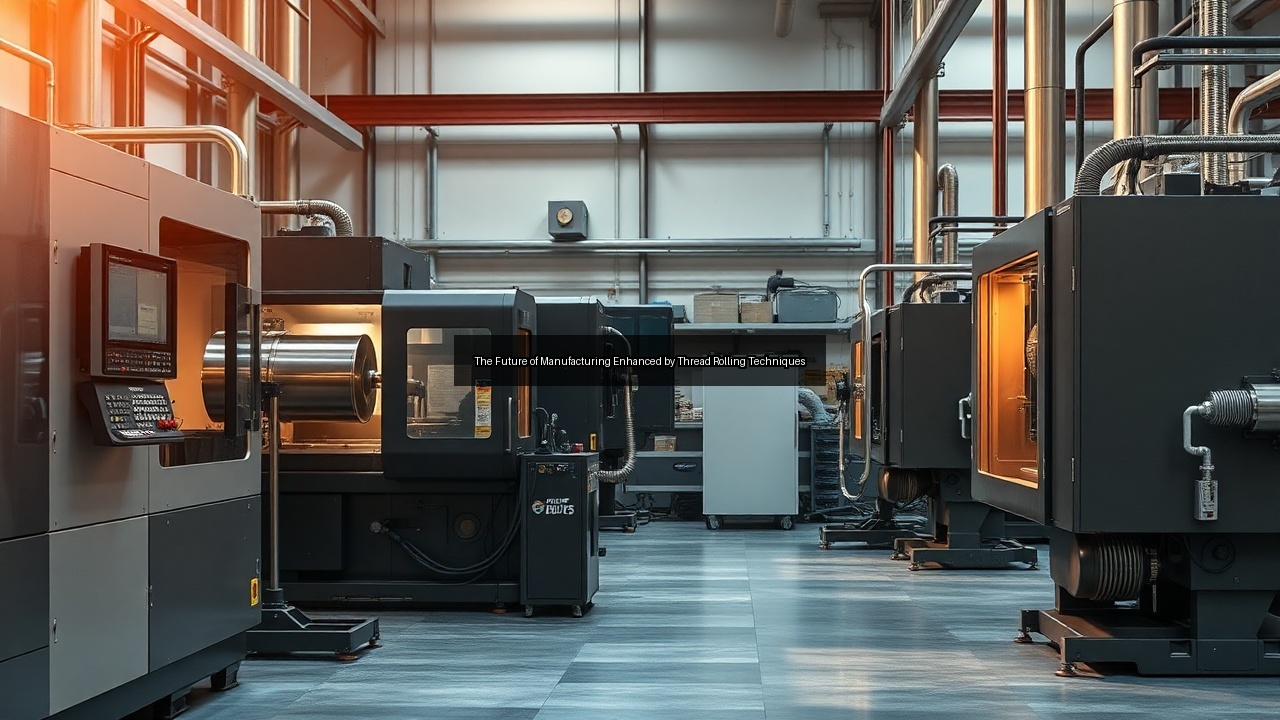
The Future of Manufacturing Enhanced by Thread Rolling Techniques
Understanding Thread Rolling Techniques
What is Thread Rolling?
Thread rolling is a cold-forming process that creates threads on a cylindrical metal workpiece. This technique involves placing the workpiece—often a rod or bar—between two rotating dies that shape the material into the desired thread profile. Unlike traditional cutting methods, which remove material to form threads, thread rolling displaces the metal, resulting in a denser and stronger finished product. This process is widely utilized in manufacturing industries to produce fasteners, screws, and other threaded components efficiently. Thread rolling not only enhances the durability of these items but also improves their overall quality, making them suitable for demanding applications.
The Science Behind Thread Rolling
The mechanics of thread rolling rely on principles from metallurgy and physics. The dies exert immense pressure on the workpiece, causing the metal to flow and take the shape of the die grooves. This process increases the material's grain structure, resulting in enhanced mechanical properties such as tensile strength and fatigue resistance. The temperature remains relatively low during thread rolling, preserving the material's integrity and preventing thermal distortion. The precise control over the thread profile also allows manufacturers to create complex designs that would be challenging or impossible with traditional machining techniques. Understanding this science is crucial for manufacturers aiming to optimize production processes and minimize waste.
Advantages of Thread Rolling Over Traditional Methods
Thread rolling offers several advantages compared to traditional machining methods, such as grinding or cutting. First, it significantly reduces material waste since it displaces rather than removes metal. Second, the cold-forming process strengthens the threads, making them less prone to failure under stress. Additionally, thread rolling typically requires fewer machining steps, which accelerates production times and lowers operational costs. Manufacturers also benefit from improved surface finishes, as thread rolling produces smoother threads without the rough edges often associated with cutting processes. These advantages position thread rolling as a superior choice for producing high-quality fasteners and threaded components in various industries.
Applications of Thread Rolling in Various Industries
Thread Rolling in Aerospace Manufacturing
Aerospace manufacturing demands the highest standards of precision and reliability, making thread rolling an ideal choice for producing critical components. Fasteners, bolts, and other threaded parts used in aircraft must withstand extreme conditions, including high altitudes and fluctuating temperatures. The thread rolling process provides the necessary strength and fatigue resistance needed for these applications. Manufacturers in the aerospace sector favor thread rolling because it allows for the creation of lightweight yet robust components. Additionally, the reduced likelihood of defects associated with thread rolling ensures that parts meet stringent regulatory requirements, enhancing safety and performance in flight.
Military Applications of Thread Rolling
The military sector also benefits significantly from thread rolling techniques. Fasteners and components used in military equipment require exceptional durability and reliability, especially in combat scenarios. The enhanced structural integrity provided by thread rolling makes it a preferred method for producing components for weapons systems, vehicles, and tactical gear. Manufacturers that specialize in military applications often utilize thread rolling to create parts that can withstand harsh environments and rigorous use. The ability to produce high volumes of these components quickly and efficiently aligns with the demands of military production schedules, ensuring that equipment is ready when needed.
The Role of Thread Rolling in Oil and Gas Sector
The oil and gas industry relies heavily on robust and reliable components, particularly in drilling and extraction operations. Thread rolling plays a critical role in manufacturing the fasteners and connectors used in this sector. The high-pressure environments found in oil and gas applications necessitate the use of durable materials that can withstand extreme conditions. Thread rolled components offer the necessary strength and resistance to wear and corrosion. Manufacturers in this industry appreciate the efficiency of thread rolling, as it enables the rapid production of high-quality threaded parts that meet stringent safety and performance standards, ensuring the integrity of oil and gas operations.
Technological Advancements in Thread Rolling Services
Integration of CNC Machining in Thread Rolling
The integration of CNC (Computer Numerical Control) machining into thread rolling services has revolutionized the manufacturing landscape. CNC technology allows for precise control over the thread rolling process, enabling manufacturers to create complex thread profiles with high accuracy. This automation not only enhances production efficiency but also reduces the likelihood of human error. CNC machines can quickly adjust parameters to accommodate different materials and thread specifications, making them versatile tools in thread rolling services. This combination of thread rolling and CNC machining facilitates the production of high-quality components for various industries, including aerospace, military, and automotive, while improving overall manufacturing capabilities.
The Impact of EDM Machining on Thread Rolling Efficiency
Electrical Discharge Machining (EDM) offers a complementary technology that enhances thread rolling efficiency. EDM machining can be utilized to create intricate die shapes necessary for thread rolling, ensuring that the dies maintain their precision over time. This synergy between EDM and thread rolling services allows manufacturers to produce complex threads with greater consistency and quality. As a result, manufacturers can reduce downtime and increase throughput. The ability to create custom dies using EDM technology ensures that manufacturers can meet specific customer requirements while maintaining high standards of quality and performance in their threaded components.
Future Trends: Automation and Thread Rolling Technology
Automation is poised to play a significant role in the future of thread rolling technology. The trend towards fully automated production lines will streamline processes, reduce labor costs, and enhance overall efficiency. Manufacturers are increasingly adopting advanced robotics and AI-driven systems to manage thread rolling operations. This shift will enable real-time monitoring and adjustments, ensuring optimal performance and quality control throughout the production process. Additionally, advancements in materials science are likely to lead to the development of new alloys and composites specifically designed for thread rolling, further expanding its capabilities. As technology evolves, thread rolling services will become even more indispensable in various manufacturing sectors.
Choosing the Right Thread Rolling Service Provider
Key Factors in Selecting a Thread Rolling Service
Selecting the right thread rolling service provider is crucial for manufacturers seeking to optimize their production processes. Key factors to consider include the provider's experience and expertise in thread rolling techniques. Companies should assess the provider's ability to handle specific materials and thread profiles required for their applications. Additionally, reviewing past performance and customer testimonials can provide insights into the provider's reliability and quality of service. Providers that offer a comprehensive range of thread rolling services, including CNC machining and EDM capabilities, often deliver the best results. Establishing a strong partnership with a reputable provider ensures that manufacturers receive high-quality components that meet their production needs.
The Importance of Quality Control in Thread Rolling
Quality control is paramount in the thread rolling process. Ensuring that every threaded component meets strict specifications is essential for maintaining safety and reliability across various applications. Service providers must implement rigorous quality control measures throughout the production process, including inspections and testing. Techniques such as dimensional checks, material analysis, and surface finish evaluations help identify any defects early on, minimizing waste and rework. Providers that prioritize quality control not only enhance their reputation but also build trust with clients, leading to long-term partnerships. Manufacturers should inquire about a provider's quality assurance processes before committing to any thread rolling services.
Case Studies: Successful Implementations of Thread Rolling Services
Examining case studies of successful implementations of thread rolling services can provide valuable insights into the benefits of this manufacturing technique. For instance, a manufacturer in Wisconsin utilized thread rolling to produce high-strength fasteners for the aerospace industry, significantly reducing production time while improving component durability. Another example involves a military contractor that adopted thread rolling to fabricate specialized components for tactical vehicles, enhancing performance under extreme conditions. These case studies highlight how thread rolling services can optimize production efficiency, improve product quality, and ultimately lead to increased customer satisfaction across various industries. Learning from these successes can guide other manufacturers in making informed decisions about adopting thread rolling in their operations.
See Also
- Thread Rolling vs Traditional Methods Which is More Effective
- The Role of Thread Rolling in Modern CNC Machining Processes
- Unlocking Precision in Manufacturing with Advanced Thread Rolling Services
- From Aerospace to Oil and Gas Discover the Power of Thread Rolling
- Exploring the Benefits of Thread Rolling for High-Volume Production