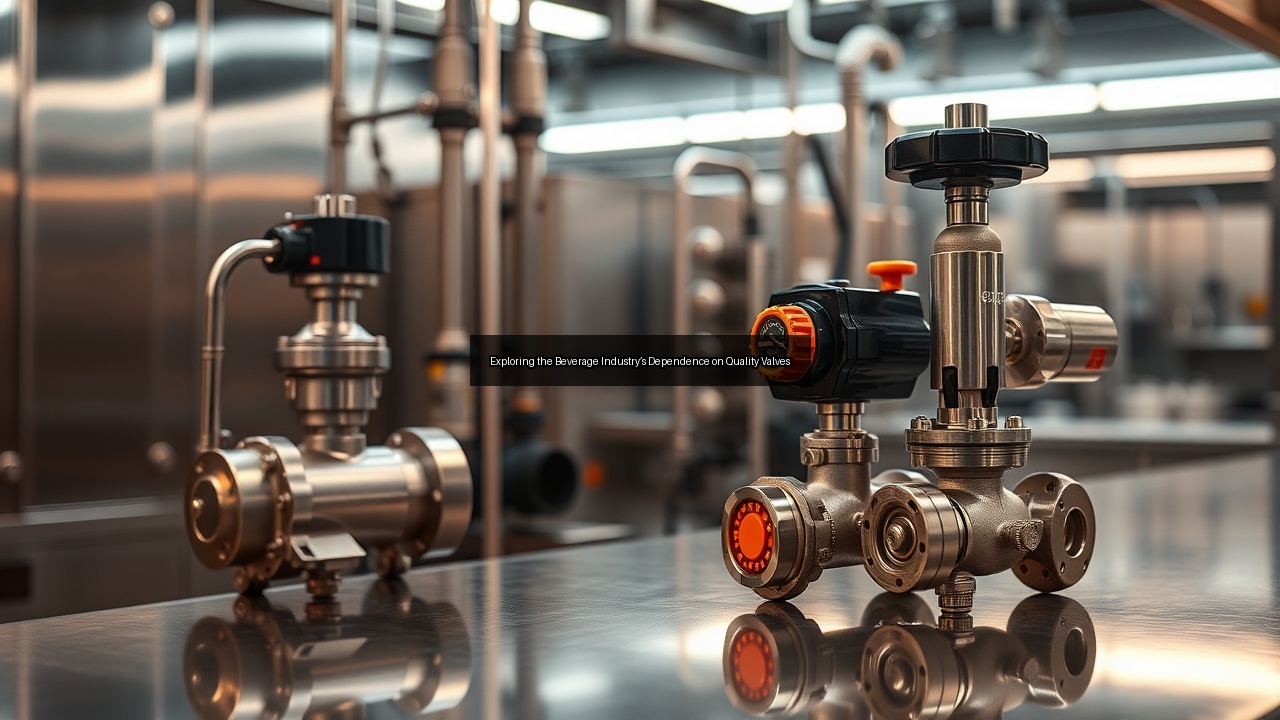
Exploring the Beverage Industry’s Dependence on Quality Valves
The Critical Role of Valves in the Food and Beverage Industry
Understanding the Types of Valves Used in Food Processing
Valves serve as integral components within the food processing industry, playing a crucial role in controlling the flow of liquids and gases. Different types of valves are utilized based on their specific functions and the characteristics of the food products they handle. Common valve types include gate valves, globe valves, ball valves, and check valves. Each type has its unique advantages and applications. For instance, ball valves are favored for their reliability and ease of operation, making them ideal for quick shut-off in beverage production. Globe valves, on the other hand, excel in throttling applications, allowing for precise flow regulation. Understanding these various types ensures that food manufacturers can select the appropriate valves for their specific needs, enhancing efficiency and product safety.
The Importance of Sanitary Valves in Beverage Production
Sanitary valves are indispensable in the beverage industry, focusing on maintaining hygiene and preventing contamination. These valves are designed with smooth surfaces that minimize the risk of bacteria accumulation, essential for any food processing environment. In beverage production, where cleanliness is non-negotiable, sanitary valves ensure that every liquid maintains its integrity from the processing phase through to packaging. The materials used in these valves, typically stainless steel, resist corrosion and adhere to stringent FDA regulations governing food safety. By implementing sanitary valves, manufacturers not only safeguard the quality of their beverages but also comply with health standards, securing consumer trust in their products.
How Control Valves Enhance Process Automation
Control valves are pivotal in modern food processing, particularly in automating production lines. These valves manage flow rates, pressures, and temperatures, allowing for precise control over the food manufacturing process. In the beverage industry, where consistency is key, control valves ensure that every batch meets the required specifications, enhancing quality and reducing waste. With advancements in technology, many control valves now integrate with automated systems, facilitating real-time monitoring and adjustments. This capability enables manufacturers to respond swiftly to fluctuations in production parameters, optimizing efficiency and minimizing downtime. As the food and beverage landscape evolves, control valves will continue to play a critical role in shaping efficient and reliable production systems.
Applications of Valves in Food Processing
Valves in Beverage Production: Ensuring Quality and Safety
Valves in beverage production directly influence the quality and safety of the final product. They control the flow of raw materials, ensuring that ingredients are accurately measured and mixed, which is vital for consistency in flavor and quality. In processes such as brewing, bottling, and packaging, valves must withstand various pressures and temperatures while maintaining product integrity. For example, during the fermentation process in brewing, the precise control of liquid flow through valves prevents contamination and ensures optimal fermentation conditions. Furthermore, valves are essential in the cleaning processes of production lines, where they help flush out residues and maintain a hygienic environment. This direct impact on safety and quality makes the selection of appropriate valves for beverage production a top priority for manufacturers.
Utilizing Ball Valves for Efficient Liquid Handling
Ball valves are widely recognized for their effectiveness in liquid handling within the food processing industry. Their design features a spherical disc that enables quick opening and closing, making them ideal for applications requiring rapid flow control. In beverage production, ball valves facilitate the seamless transfer of liquids between different stages, from mixing to bottling. The simplicity of their operation contributes to reduced wear and tear, extending their lifespan and minimizing maintenance costs. Additionally, ball valves offer low flow resistance, ensuring that beverages can move swiftly through pipelines without significant pressure drops. This efficiency not only enhances production rates but also contributes to energy savings, making ball valves a smart choice for manufacturers striving for sustainability in their operations.
Check Valves: Preventing Backflow in Food Systems
Check valves play a crucial role in preventing backflow in food processing systems, thereby protecting the quality and safety of beverages. Backflow can lead to contamination, spoilage, and loss of product integrity. In beverage production, check valves ensure that liquids flow in one direction, preventing any reverse flow that could introduce unwanted substances into the production line. These valves are particularly important during processes like pasteurization, where maintaining high temperatures is essential for eliminating pathogens. By incorporating reliable check valves, manufacturers create a safer production environment and enhance the overall quality of their beverages. Their role in maintaining the integrity of fluid systems makes check valves indispensable in the food processing industry.
Safety and Compliance: Valves and Regulatory Standards
FDA Regulations on Food Processing Valves
Compliance with FDA regulations is non-negotiable for any food processing operation. Valves used in food production must meet stringent safety and hygiene standards to ensure the protection of consumer health. The FDA outlines specific requirements for materials, design, and maintenance of valves, ensuring they do not contribute valves food processing applications to contamination or compromise food quality. Manufacturers must select valves that are not only efficient but also compliant with these regulations. Regular inspections and documentation of valve performance and maintenance history form part of the compliance strategy, safeguarding both the manufacturer and the consumer. Adhering to FDA standards not only enhances food safety but also boosts consumer confidence in the brand.
Safety Relief Valves: Protecting Against Pressure Build-Up
Safety relief valves are essential for protecting food processing systems from pressure build-up, which can lead to catastrophic failures. In the beverage industry, various processes involve heating and pressure, making the role of safety relief valves critical. These valves automatically release pressure when it exceeds safe levels, preventing equipment damage and ensuring worker safety. For instance, during the pasteurization process, maintaining the right pressure is crucial; a malfunction could result in a dangerous situation. Regular testing and maintenance of safety relief valves help ensure their functionality, providing peace of mind to manufacturers and safeguarding their operations from unforeseen incidents. By investing in robust safety relief valves, manufacturers prioritize safety and compliance in their production processes.
Ensuring Product Integrity in Food Packaging Systems
Valves play a vital role in maintaining product integrity throughout the food packaging process. From filling machines to sealing equipment, the correct valve selection ensures that beverages are packaged without contamination or spoilage. For instance, during the bottling process, valves control the flow of liquids into containers, ensuring that every bottle is filled accurately and efficiently. Additionally, valves help create a vacuum or inert atmosphere within packaging to extend shelf life and prevent oxidation. This level of control is essential for maintaining the quality of beverages, especially those sensitive to air exposure, such as juices and carbonated drinks. By prioritizing effective valve solutions in their packaging systems, manufacturers reinforce their commitment to delivering safe and high-quality products to consumers.
Future Trends in the Beverage Industry and Valve Technology
Innovations in Automated Systems for Food Processing
As the beverage industry embraces valves used in food processing automation, valve technology evolves to meet new demands for efficiency and precision. Innovations in automated systems allow for seamless integration of valves with valves food processing applications sensors and control systems, enabling real-time monitoring of production processes. This interconnectedness enhances responsiveness, allowing manufacturers to adjust flow rates, pressures, and temperatures dynamically. Such innovations lead to improved productivity and reduced human error, allowing for greater consistency in beverage quality. Moreover, automated systems streamline maintenance, identifying issues before they escalate into costly downtime. As technology continues to advance, the beverage industry will increasingly rely on sophisticated valve solutions to drive efficiency and ensure product integrity.
The Shift Towards Sustainable and Efficient Valve Solutions
The beverage industry increasingly emphasizes sustainability, prompting a shift toward eco-friendly valve solutions. Manufacturers seek valves designed for energy efficiency and reduced waste, aligning with global sustainability goals. Innovations in materials and designs focus on minimizing environmental impact while maintaining high performance. For example, lightweight valve options reduce energy consumption during transportation and installation. Additionally, manufacturers are exploring biodegradable materials for valve components, reducing reliance on traditional plastics. This shift not only meets regulatory requirements but also resonates with environmentally conscious consumers. Adopting sustainable valve solutions positions manufacturers as leaders in the evolving beverage landscape, appealing to a growing market of eco-conscious buyers.
Addressing Industry Challenges with Advanced Valve Technologies
The beverage industry faces numerous challenges, from maintaining quality during high-speed production to ensuring compliance with ever-evolving regulations. Advanced valve technologies provide solutions to these pressing issues. Manufacturers can utilize smart valves equipped with sensors that monitor performance, detect leaks, and track flow rates in real-time. This level of insight aids in preventing costly production disruptions and ensures adherence to safety standards. Additionally, advancements in materials science lead to more durable and corrosion-resistant valve options, extending the lifespan of critical components. By embracing these advanced technologies, manufacturers can navigate industry challenges while enhancing their operational efficiency and product quality.